
In This Article
- What Actually Separates These Two Working Breeds?
- Belgian Malinois vs German Shepherd: How Do They Compare Side by Side?
- How Do the Two Breeds Cope With Indian Heat and Humidity?
- Which Breed Suits a Flat and Which Needs an Independent House?
- What Do Kennel Clubs Say About Health in Each Breed?
- Why Do Belgian Malinois Price and German Shepherd Price Quotes Vary So Much?
- What We See at Our Karaikudi Training Ground
- How Do You Choose Between Them? A Practical Checklist
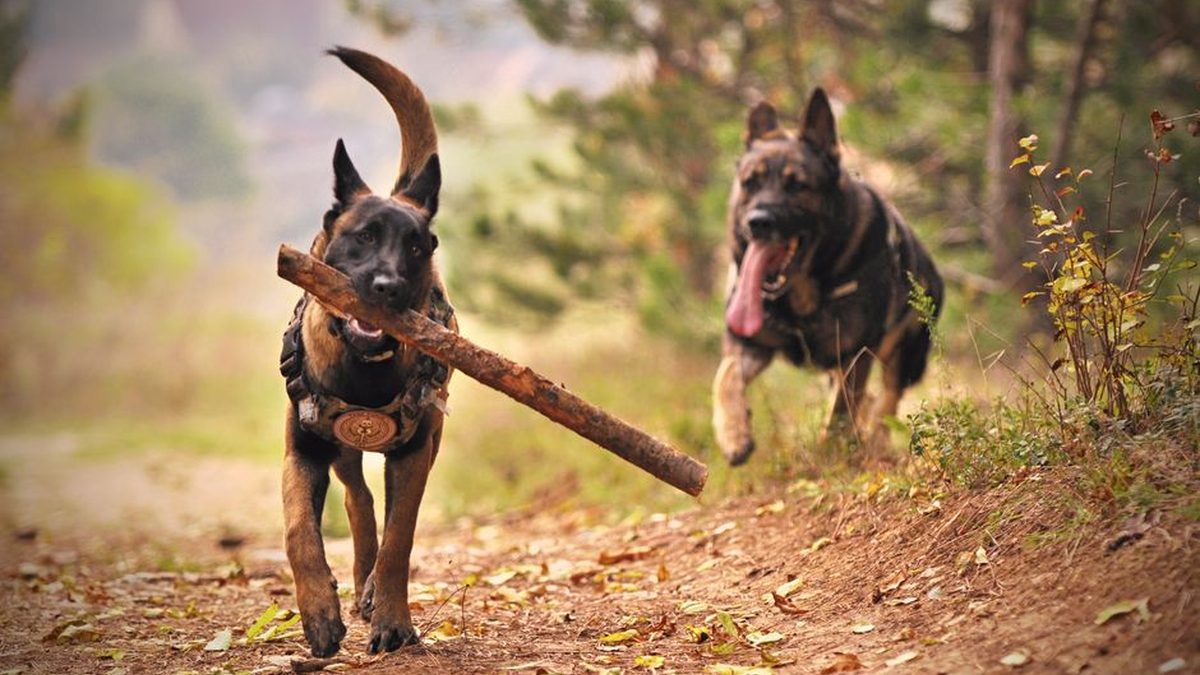
A family in Coimbatore called us last summer, three weeks after buying a nine-month-old working-line dog for the gate. The dog was neither aggressive nor badly behaved. It was bored out of its mind in a second-floor flat, and nobody had time to work it twice a day. That mismatch is what the belgian malinois vs german shepherd question is really about: not which breed is tougher, but which one fits your house, your climate and the hours you can honestly give.
Both breeds were built for work, and both can be wonderful with the right family. The differences that matter in Indian homes are narrower than the internet suggests:
- Daily energy output and how much of it must be mental, not just physical
- How each coat copes with heat, humidity and monsoon damp
- Space: a flat with lift access versus an independent house with a compound
- Who in the family will actually handle training every single day
- Grooming and shedding you will live with for the next decade
What Actually Separates These Two Working Breeds?
They look alike at a glance and share a lot of working history, but they were bred by different people for different jobs, and that still shows in temperament.
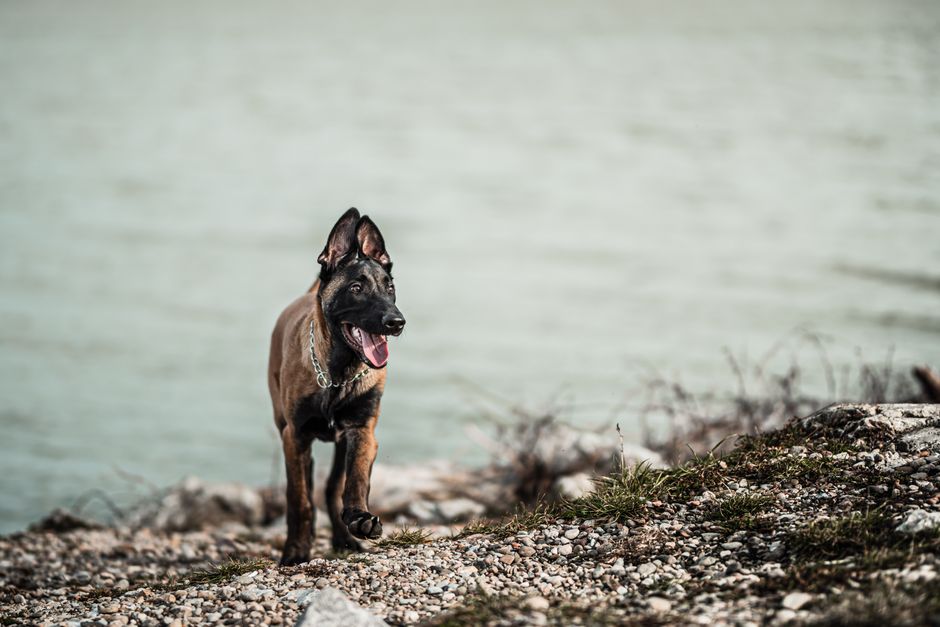
- The Belgian Malinois is lighter in frame, shorter in coat and faster off the mark, with a strong prey drive. The American Kennel Club calls it "an extremely active breed" that "requires significant exercise on a daily basis, much more beyond just one daily walk or play session".
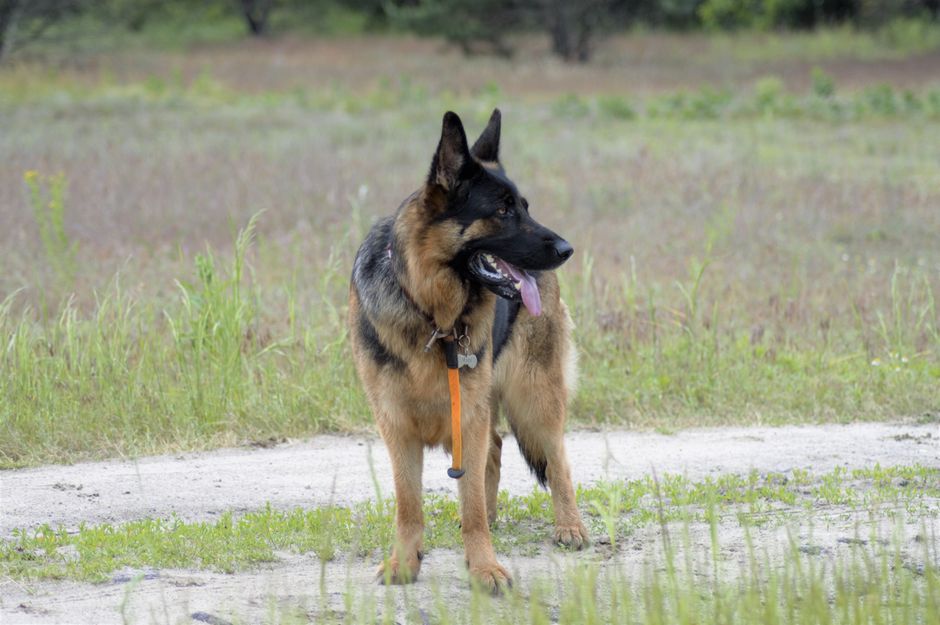
- The german shepherd is heavier built with a thicker medium-length coat. The PDSA breed guide sets its minimum at "two hours of exercise every day" and notes that shepherds "can have a strong guarding instinct, so careful training and socialisation will be needed".
- The Malinois tends to switch on fast and stay on; the Shepherd is more often described as ranging "from being calm and patient to bouncy and boisterous".
- Both are highly trainable, so trainability is rarely the deciding factor. Tolerance for boredom is.
- Neither breed is a beginner's dog, and the AKC says plainly that the Malinois' high prey drive and energy "don't make them a good choice for first-time dog owners".
Belgian Malinois vs German Shepherd: How Do They Compare Side by Side?
Here is the same information arranged the way most families actually decide: by what the dog will need from the house and from the week.
| Factor | Belgian Malinois | German Shepherd |
|---|---|---|
| Daily energy | Very high, needs job-style work | High, 2 hours minimum |
| Trainability | Very high, learns fast | Very high, steadier pace |
| Indian heat tolerance | Better, short single-layer coat | Harder, thick double coat |
| Grooming | Low, occasional brushing | Moderate, brush a few times a week |
| Flat living | Possible only with real daily work | Difficult, needs more space |
| Independent house | Excellent with a secured compound | Excellent, suits the frame |
Two things in that table surprise most first-time buyers. The first is that the lighter, faster breed is often the easier one in a Tamil Nadu summer. The second is that neither row for flat living says "no" outright, because the honest answer depends far more on the handler's routine than on the floor plan.
How Do the Two Breeds Cope With Indian Heat and Humidity?
Coat type decides most of this, and it is the single factor international comparison articles skip because they are written for cooler countries.
- The Malinois carries a short, single-layer coat that sheds heat more easily and dries fast after a monsoon walk.
- The Shepherd's thick double coat insulates both ways, but in humid coastal air it holds damp near the skin and invites hot spots if it is not dried properly.
- Whichever you choose, exercise moves to early morning and after sunset from March to June, with shade and water on every session.
- Watch for heavy open-mouth panting, thick drooling or a wobbly gait, and stop immediately. Heat stress builds faster in dark coats.
- Clipping a double coat is not a cooling fix. Brushing out the dead undercoat is, and it also cuts the hair you live with indoors.
Which Breed Suits a Flat and Which Needs an Independent House?
Space matters less than people think, and the daily schedule matters more. A dog that gets real work does not pace. A dog that does not, will.
- Independent house with a compound: either breed does well, provided the compound is genuinely secure before the dog arrives.
- Flat with lift access: a Shepherd's frame and shedding make this harder, though adult dogs with settled temperaments manage.
- Flat without a lift, or stairs only: avoid a large working breed entirely while the dog is a growing puppy.
- A dog is never a replacement for a locked gate, good lighting and a working camera. Treat it as one layer, never the whole plan.
- Apartment associations and neighbours are part of the decision. Settle that conversation before, not after, you bring a puppy home.
What Do Kennel Clubs Say About Health in Each Breed?
Health is where opinions should give way to screening data, because both breeds carry joint risks that responsible breeding programmes test for.
- Hip dysplasia and elbow dysplasia affect both breeds, and both are checked through established hip and elbow screening schemes rather than by eye.
- The Kennel Club moved the German Shepherd Dog from its third Breed Watch tier to the second with effect from 1 September 2025, after a year-long joint review with the breed council, and named hip and elbow dysplasia as challenges that "can't be assessed by dog show judges".
- The PDSA also lists degenerative myelopathy, a condition causing hind-leg weakness that can progress to paralysis, among the conditions shepherds are screened for.
- Ask any breeder for the parents' screening results in writing. A seller who cannot produce them is telling you something.
- A yearly orthopaedic check from your own vet is worth more than any pedigree certificate on the wall.
Why Do Belgian Malinois Price and German Shepherd Price Quotes Vary So Much?
Buyers compare the headline number and stop there. The number is the smallest part of what a working dog costs over ten years.
- Age and training level move the figure most: an untrained puppy, a started dog and a fully trained adult with handler work are three different products.
- Bloodline and working pedigree, health screening on both parents, and whether the breeder keeps proper veterinary records all sit inside the price.
- Delivery, boarding during transit and the handler training that comes after the sale are often quoted separately, so compare like with like.
- The recurring costs, including food for a large active dog, vaccination, deworming, grooming and periodic training refreshers, outrun the purchase price within a couple of years.
- A belgian malinois price quoted far below the market usually means no screening, no socialisation or no papers. We quote per dog after seeing the requirement, and we would rather lose a sale than place a dog badly. You can see what structured work involves on our Belgian Malinois training page.
What We See at Our Karaikudi Training Ground
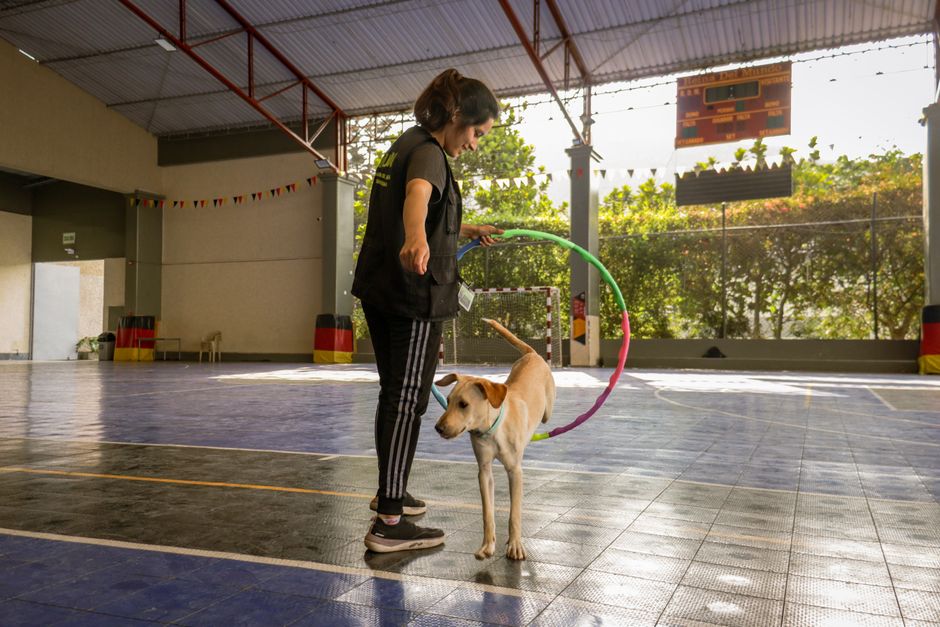
JEY FORCE was established in 2018 in Karaikudi, Tamil Nadu, and our founder is a retired Indian military K9 expert with more than 24 years in high-risk environments. We run a two-acre training ground with more than ten professional trainers, and we supply trained dogs across India.
- In our experience the dogs that settle best in family homes are almost never the ones with the most impressive protection work. They are the ones whose owners kept up the daily routine.
- Reward-based, structured training is what we use and what we teach handlers. We do not use or recommend aversive methods, and a dog trained through fear is a liability, not a deterrent.
- Families who visit the ground before buying make better choices, which is why we would rather you come and watch a session than read a brochure.
- Handler support after placement matters more than the breed on the paperwork. Most problems we are called for are routine problems, not breed problems.
- If you travel often, plan boarding in advance through dog boarding for Belgian Malinois rather than leaving a working dog with untrained help.
How Do You Choose Between Them? A Practical Checklist
Work through this honestly before you contact any breeder or trainer, and the choice usually makes itself.
- Count the hours you can give daily, in two separate sessions, every day for ten years. Fewer than two, and neither breed is right yet.
- Name the one person who will do the training. Shared responsibility across a family usually means nobody does it.
- Measure the real heat your dog will live in through May, and be honest about whether a double coat fits that.
- Secure the premises first: gate, lighting, boundary wall, camera. Then choose a dog as the layer you add on top, not the fix.
- Ask every seller for parental health screening, vaccination records and the chance to meet the dam.
- Decide between an untrained puppy and a trained adult. For most families wanting protection, a trained adult placed with handler guidance works better, and our guard dog security services page explains how those placements run.
- Visit a training session, watch how the dogs are handled, and walk away from anyone who demonstrates with force. If you want a dog ready to work, see Belgian Malinois for sale for what we place and how.
Frequently asked questions
Which is better for an Indian home a Belgian Malinois or a German Shepherd?
Neither is better in the abstract. The Malinois copes more easily with heat and needs less grooming, while the German Shepherd is steadier in pace and suits families with more space. The deciding factor is almost always the hours the household can give to daily training.
Can either breed live in a flat?
A Malinois can manage a flat only with two real working sessions a day, and a German Shepherd finds flat life harder because of its frame and heavy shedding. Growing puppies of either breed should not be kept where stairs are the only access. Settle the question with your apartment association first.
Which breed handles Indian summers better?
The Belgian Malinois generally does, because its short single layer coat sheds heat and dries quickly after monsoon walks. A German Shepherd's thick double coat insulates both ways and holds damp in humid air. Either way, move exercise to early morning and after sunset through the hot months.
How much exercise does each breed need every day?
The PDSA sets a German Shepherd's minimum at two hours a day, spread across the day. The American Kennel Club describes the Malinois as an extremely active breed needing much more than one daily walk, with mental work too. Treat two separate sessions a day as the floor.
What health checks should I ask a breeder for?
Ask for written hip and elbow screening results for both parents, full vaccination and deworming records, and the chance to meet the dam. The Kennel Club names hip and elbow dysplasia as challenges that cannot be judged by eye, so screening paperwork is the only real evidence.
Is a guard dog enough to secure my property?
No. A trained dog is one layer and works best alongside a secure gate, boundary wall, lighting and cameras. Secure the premises first and add the dog on top of that.
Should I buy a trained adult or an untrained puppy?
For most families wanting protection as well as a companion, a trained adult placed with handler guidance works better, because the groundwork is done and you learn to handle the dog. A puppy suits households ready to do the raising themselves.