
In This Article
- What Makes a Dog a Real Guard Dog?
- Myth vs Fact: What People Get Wrong About Guard Dog Breeds
- Are Any Guard Dog Breeds Banned in India?
- Which Breeds Work Best for Indian Households?
- How Do Security Dog Breeds Differ for a Flat and a Farmhouse?
- What Does the Selection and Training Process Actually Look Like?
- What We See at Our Karaikudi Training Ground
- Your Checklist Before You Commit
Can one dog really keep an Indian home safe, and is a guard dog the right answer for your gate and your family? Most advice online is a breed list copied from an American site, with nothing on Indian heat, flats, societies that vote on pets, or the rules on which dogs you may legally buy here. This guide answers it honestly: what the job demands, what is myth, how a working dog is chosen and trained, and what to check before you commit.
What Makes a Dog a Real Guard Dog?
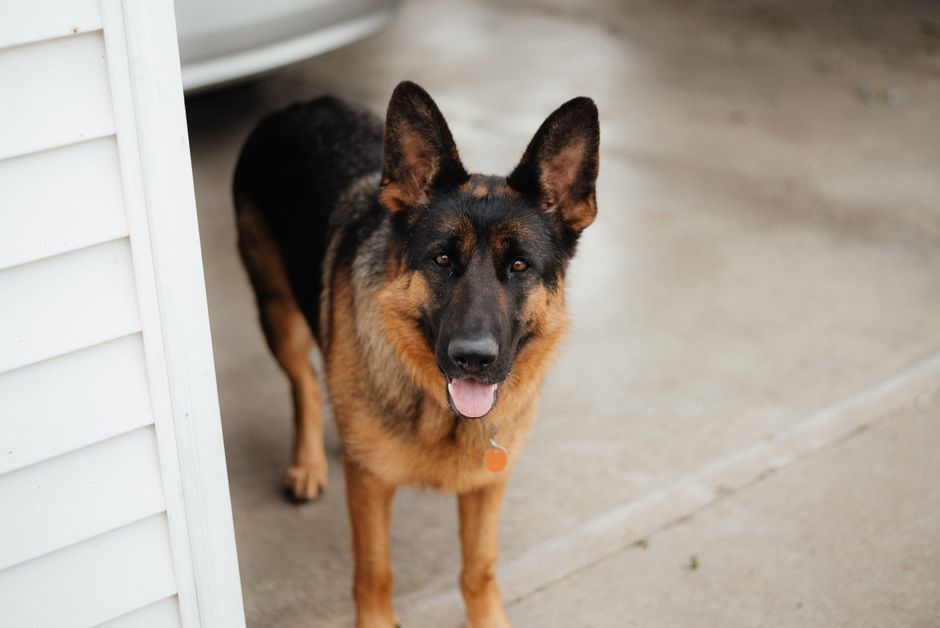
Protection work is a job description, not a personality trait. A dog earns the title by doing a few things reliably, under stress, on cue — and switching off when told.
- Alert, not reactive: it reports a change at the boundary instead of barking at every passing scooter.
- Nerve strength: it holds its ground around crowds, firecrackers and visitors without panicking or snapping.
- Handler control: it stops, recalls and releases on a single command, from any distance.
- Trainability: it enjoys working with a person and holds structured obedience over years, not weeks.
- Climate fitness: it works through Indian heat and humidity without heat stress.
Aggression is not on that list. A dog that lunges at anything that moves is a liability on a gate, and size never makes up for weak nerves.
Myth vs Fact: What People Get Wrong About Guard Dog Breeds
Most buying mistakes come from beliefs that sound sensible and are wrong. Clearing them first saves money, heartbreak and the dog.
| Myth | Fact |
|---|---|
| A bigger dog is a better guard | Nerve strength and control decide the outcome, not body weight |
| An aggressive dog guards best | Uncontrolled aggression is a bite risk and a legal risk, not security |
| A guard dog needs no training | Protection behaviour is only safe when obedience comes first |
| Chaining or isolating builds guarding | Isolation produces fear and frustration, and a fearful dog bites unpredictably |
| A dog replaces gates, locks and lighting | A dog is one layer; secure premises stay the foundation |
| Any breed can be bought anywhere in India | Several breeds face local restrictions, so rules must be checked first |
The last two matter most. A dog does not replace a strong gate, a working lock, lighting and a camera — it adds early warning to premises that are already secure. And the legal position here is not uniform.
Are Any Guard Dog Breeds Banned in India?
Settle this before you fall in love with a photograph. As of October 2026 there is no enforceable nationwide breed ban, but local rules can still stop you.
- In March 2024 the Department of Animal Husbandry and Dairying asked states not to permit the import, sale, breeding or keeping of 23 breeds it called ferocious, and to sterilise those already kept as pets (newsonair.gov.in).
- The Delhi High Court set it aside in April 2024 and told the Ministry to publish a public notice and decide written objections before any final notification (LiveLaw). The Karnataka High Court quashed it too.
- In January 2025 the Union told the Bombay High Court it is not acting on that notification and is still considering objections.
- Some municipal bodies and consumer forums have restricted particular breeds, and many corporations require every pet dog to be registered.
- Housing societies add their own rules on breed, size and common-area access.
So check before you buy, every time. Ask your municipal corporation about registration and any breed list, and your society for its pet bye-laws in writing. Breeds on the 2024 central list — the Rottweiler and several mastiff types among them — are the likeliest to appear on a local list, so we do not recommend them until you confirm your own city's position.
Which Breeds Work Best for Indian Households?
With the legal check done the shortlist narrows fast. The best guard dog breeds for Indian conditions pair working ability with heat tolerance and a willingness to be handled, and two of them are indigenous.
| Breed | Best suited to | Coat and heat | Handling demand |
|---|---|---|---|
| Belgian Malinois | Farms, factories, large plots | Short, manages heat well | Very high, experienced handler only |
| German Shepherd | Independent houses with a compound | Dense double coat, needs shade | High, daily structured work |
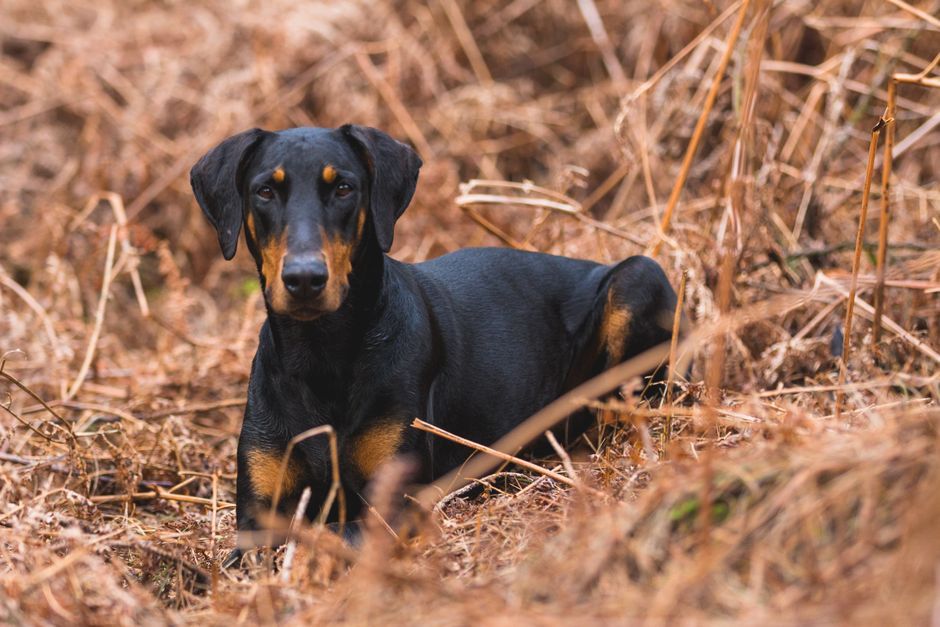
| Doberman Pinscher | Urban houses and gated plots | Very short, poor cold tolerance | High, firm and consistent handling |
| Rajapalayam | Tamil Nadu homes with open land | Short, built for local heat | Moderate to high, early socialising |
| Mudhol Hound | Dry regions, farm boundaries | Short, very heat hardy | Moderate, needs daily running |
The Belgian Malinois is the sharpest option and least forgiving of an inexperienced owner, which is why our Belgian Malinois training programmes put obedience and handler control first. The German Shepherd is steadier but needs real shade through summer, and the Doberman gives urban deterrence in a compact frame. The Rajapalayam and Mudhol Hound are hardy indigenous options needing open space and patient early socialising.
Labradors and Indian pariah dogs belong in a different column: alert dogs that announce visitors, not protection dogs. If you want early warning rather than intervention, say so — it changes the recommendation.
How Do Security Dog Breeds Differ for a Flat and a Farmhouse?
The same breed can be right at one address and unfair two kilometres away. Space, boundary length and the strangers passing each day do most of the deciding.
- Flat or apartment: a working protection dog is usually the wrong fit; lifts, corridors and daily strangers create constant triggers, and society rules often settle it anyway.
- Independent house with a compound: a German Shepherd or Doberman can work, given a defined patrol area, shade and daily exercise.
- Farm, factory or large plot: where a Malinois or a handler-and-dog team earns its place, covering ground no single guard can watch.
- Commercial premises with public footfall: a dog alone is not appropriate — a handler team, as in our guard dog security services, keeps control where people move.
- Any address with young children: supervision is non-negotiable; no dog of any breed should be left unsupervised with small children.
That last point is not a disclaimer we add for form. It is the condition we repeat most to families choosing the best dogs for home security, because the failures we fix usually start with an unsupervised moment, not a bad breed.
What Does the Selection and Training Process Actually Look Like?
A protection dog is produced by a process, not bought off a shelf. This is the order we work in; skipping a step produces the dogs we are later asked to retrain.
- Define the job first. Alert only, deterrence or handler-supported protection — written down before any breed is discussed.
- Check the rules. Municipal registration, local breed restrictions and society bye-laws, confirmed in writing.
- Assess the household. Space, boundary, climate, children, elderly residents and who will handle the dog daily.
- Temperament-test the individual dog. Nerve, recovery after a startle and interest in working with a person matter more than the pedigree.
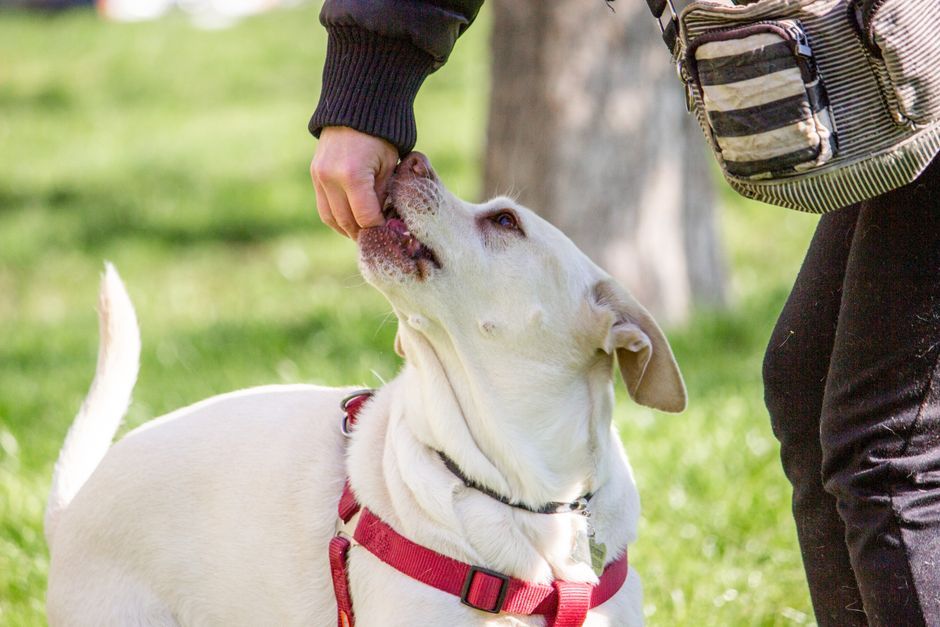
- Build obedience before protection. Sit, down, place, recall and a clean release, proofed around distraction, with reward-based methods only.
- Introduce controlled scenario work. Boundary alerts, visitor protocols and a settled off-switch, always under a trainer.
- Hand over to the owner. The dog is only as safe as the person on the lead, so handler coaching is part of the programme.
- Review every few months. Trained behaviour decays without maintenance, and a short refresher keeps the recall and release reliable.
We use reward-based, welfare-first methods throughout and no aversive tools or fear-based conditioning. Beyond the ethics, those produce exactly what a guard dog must never have: unpredictability under pressure.
What We See at Our Karaikudi Training Ground
JEY FORCE was established in 2018 in Karaikudi, Tamil Nadu, and works from a two-acre training ground built for real security-dog work, with military-background trainers and handler support across India.
- The request we correct most often is "make him more aggressive" — what the property needed was a reliable alert and a reliable stop.
- Heat is the quietest problem: dogs worked without shade stop performing long before anyone calls it a training failure.
- Dogs that live with the family and work with a handler hold their training far better than dogs kept isolated at the boundary.
- Owners who handle their own dog keep the obedience; those who only collect a finished dog lose it within months.
Visitors are welcome before deciding anything — we would rather you watch a session than pick a breed from a list. Our trained security dogs with handlers option exists for properties where a dog alone is not enough.
Your Checklist Before You Commit
Run this top to bottom. If you cannot tick an item, fix it before a dog enters the house.
- [ ] The job is written down — alert, deterrence or handler-supported protection.
- [ ] Municipal registration and any local breed restriction confirmed with the corporation.
- [ ] Society pet bye-laws obtained in writing.
- [ ] Gates, locks, boundary wall and lighting already secure, with the dog as an added layer.
- [ ] Shade, water and a cool resting place through the hottest hours.
- [ ] A named daily handler with time for structured work, not just feeding.
- [ ] Supervision rule agreed for children, elderly residents and visitors.
- [ ] Breeder or centre visited in person and a temperament test watched.
- [ ] Trainer uses reward-based methods and will coach you, not only the dog.
Choosing among the best guard dogs for home use is a question about your household, not about which breed looks most intimidating. Decide the job, confirm the rules, pick the individual dog, then put the training in. For a straight assessment, talk to our team and we will say honestly whether the answer is a dog, a handler team, or better lighting and a stronger gate.
Frequently asked questions
Which is the best guard dog breed for an Indian home?
There is no single answer. A German Shepherd or Doberman usually fits an independent house with a compound, a Belgian Malinois suits a farm or factory, and a Rajapalayam or Mudhol Hound suits open land in the south. The individual dog's nerve matters more than the breed name.
Are any guard dog breeds banned in India?
As of October 2026 there is no enforceable nationwide breed ban. The March 2024 central circular on 23 breeds was set aside by the Delhi High Court and quashed by the Karnataka High Court, and in January 2025 the Union told the Bombay High Court it was not acting on it. Some municipal bodies and societies still restrict specific breeds, so check your local rules in writing first.
Can a guard dog live in an apartment?
A working protection dog is usually a poor fit for a flat, because lifts, corridors and daily strangers create constant triggers and most societies have their own pet rules. An alert dog plus good locks and lighting is the more honest choice.
Are guard dogs safe around children?
No dog of any breed should be left unsupervised with small children, however well trained. A guard dog can live safely in a family home with clear supervision rules and an adult handler who maintains its obedience.
Which Indian breeds make good guard dogs?
The Rajapalayam and the Mudhol Hound are the indigenous breeds most often used for property work. Both are short-coated and heat hardy, and both need open space and patient early socialising.
At what age should guard dog training start?
Socialising and basic obedience start in puppyhood as soon as vaccinations allow. Protection work begins only once the dog is physically mature and obedience is reliable under distraction.