
In This Article
- What Does Dog Care Actually Mean in an Indian Home?
- What Should the First Month Look Like Week by Week?
- How Much Food Does a New Dog Need and What Kind?
- What Vaccination and Deworming Choices Belong to Your Vet?
- How Do You Keep Dog Grooming Simple in Indian Weather?
- Why Does Reward-Based Training Beat Correction From Day One?
- What Changes as Your Dog Grows?
- What We See When First-Time Owners Call Us
- Dog Care Tips Worth Taping to Your Fridge
What Does Dog Care Actually Mean in an Indian Home?
A family brings home an eight-week-old pup on a Sunday, buys a bed, a collar and a sack of kibble, and by Wednesday nobody in the house has slept. Nothing has gone wrong. Good dog care is a routine rather than a shopping list, and the routine is the one thing almost nobody sets up in week one.
In practice, the whole job comes down to six things you repeat every day:
- A fixed daily rhythm of meals, toilet breaks, walks and sleep, at roughly the same hours
- One regular veterinarian who knows your dog and holds its records
- Food measured by the dog's size, age and body condition instead of by the bowl
- Coat, ear, nail and tick checks built into a weekly slot
- Calm, reward-based handling so the dog learns what you want, not what you forbid
- A plan for Indian heat, monsoon damp and apartment life
Where a decision affects health, it belongs to your vet, not to a blog.

What Should the First Month Look Like Week by Week?
Most first-time owners try to do everything on day one and then drift by week three. Spreading the setup across four weeks is kinder to the dog and far easier to keep up. The table below is the sequence we suggest to families who call our dog training centre before their puppy arrives.
| Week | Main focus | What you set up | Who decides |
|---|---|---|---|
| 1 | Settling in | One sleeping spot, fixed meal times, quiet house, first vet visit | You and your vet |
| 2 | Health plan | Vaccination and deworming plan, parasite control, weight record | Your vet |
| 3 | Handling | Daily paw, ear and coat handling, crate and collar comfort | You |
| 4 | Learning | Short reward-based sessions, calm greetings, first outings | You and your trainer |
A few rules make the four weeks hold:
- Change one thing at a time, so you can see what upset the dog
- Keep a one-line daily note on appetite, stools, energy and sleep
- Decide early who feeds, who walks and who does the weekly check
- Do not add a second pet, a long trip or a house move inside the first month
How Much Food Does a New Dog Need and What Kind?
Feeding is where first-time owners get the most conflicting advice, usually from the shop that sold the food. Quantity depends on the individual animal, and your vet is the one who should set it.
The WSAVA Global Nutrition Guidelines ask veterinary teams to assess nutrition at every visit and to use body condition scoring to judge whether a diet is working, calling the veterinary team the expert source of nutrition information.
- Ask your vet for a daily quantity for your dog's current weight, age and activity, and a date to review it
- Learn to read a body condition score chart so you see weight gain before the scale does
- Measure every meal with the same cup or a kitchen scale instead of filling the bowl
- Change brands or textures gradually over several days, never overnight
- Keep clean water available all day, and refresh it more often in summer
- Clear rice, curd, chapati or leftovers with your vet first, and keep onion, garlic, chocolate, grapes and xylitol away entirely
Pet care decisions that touch nutrition, medicine or growth are veterinary decisions, not blog decisions.
What Vaccination and Deworming Choices Belong to Your Vet?
This is the part of dog care we will not spell out, and that is deliberate. Vaccine choice, timing and boosters depend on your dog's age, health and what is circulating where you live.
The WSAVA Vaccination Guidelines give veterinarians practical advice on optimum vaccination practice, and the group publishes separate regional guidance for Asia because local disease risk differs. Your vet applies that to your dog; a schedule copied off the internet does not.
- Book the first consultation within a few days of bringing the dog home, with any papers the breeder or shelter gave you
- Ask the vet to write the plan down, including the next visit date and what to watch for afterwards
- Ask specifically about rabies, which is both a legal and a public-health matter in India
- Ask what deworming and tick or flea control your area needs through the year
- Report vomiting, lethargy, swelling or refusal to eat after any treatment the same day
- Keep the vaccination card safe, since boarding and training facilities will ask for it
How Do You Keep Dog Grooming Simple in Indian Weather?
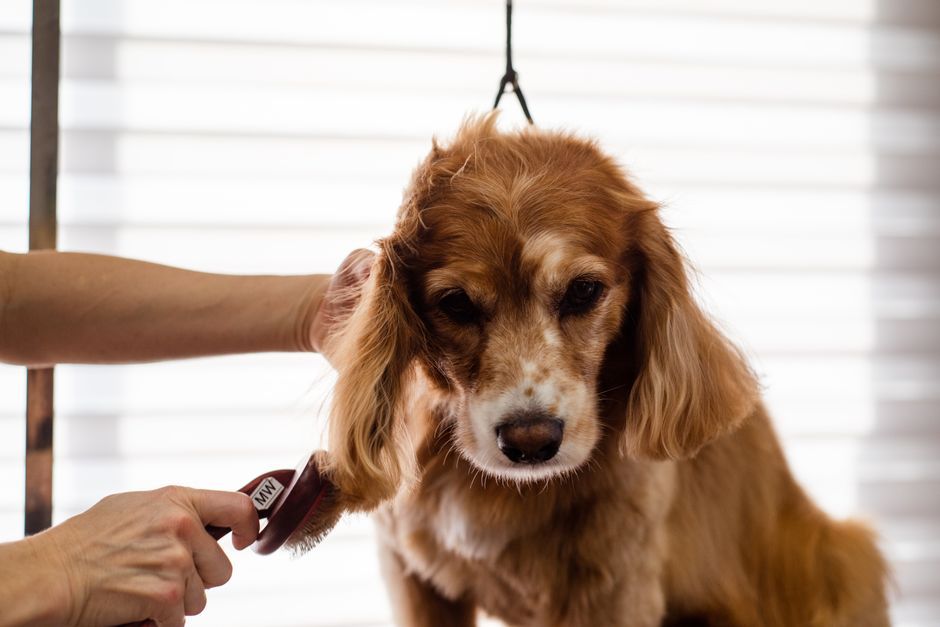
Heat, dust and monsoon damp do more coat damage here than any shampoo fixes. Dog grooming works best as a short weekly habit rather than a monthly event at a salon.
Build the weekly slot around checking, not just cleaning:
- Brush two to four times a week, and daily during a heavy shed
- Check ears for smell, discharge or head-shaking, and take any of those to the vet rather than a cotton bud
- Run your hands over the whole body for ticks after every outing, including ears, armpits and between the toes
- Trim nails little and often once the dog accepts paw handling, or ask the vet or groomer to do it
- Bathe only as often as the coat and the vet suggest, and dry the dog fully in the monsoon
- Never shave a double-coated dog for summer, because the coat insulates against heat as well as cold
- Walk early morning or after sunset in summer, and test the road with your palm first
A dog handled every week is also a dog your vet can examine without a fight. If you travel, look for a boarding setup that keeps the same feeding and exercise pattern rather than one that simply holds the dog.
Why Does Reward-Based Training Beat Correction From Day One?
Every first-time owner eventually meets someone who recommends a choke chain or a sharp "no". Welfare-first, reward-based training is the only approach we work with, and for a beginner it is the easier one, because it tells the dog what to do instead of only what to stop.
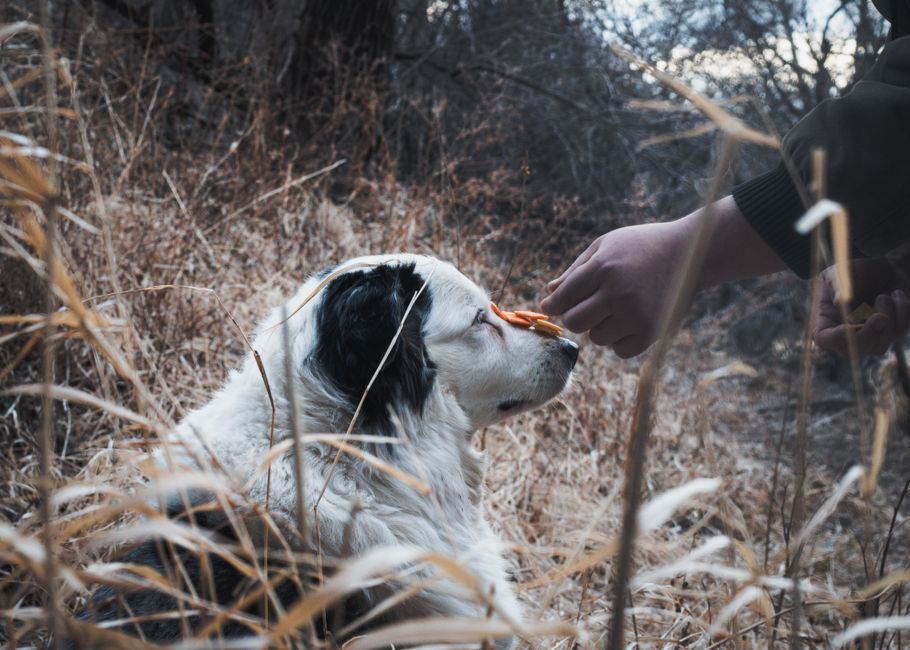
Here is how to take care of a dog's behaviour in the first months without resorting to force:
- Reward the behaviour you want the moment it happens, with food, play or praise
- Keep sessions to a few minutes and end while the dog is still interested
- Manage the environment so mistakes are hard to make, instead of punishing them afterwards
- Teach a name response, a recall and a settle before anything impressive
- Socialise through calm, short, positive exposure, on your vet's advice about timing
- Treat growling as information rather than defiance, and bring in a professional early
Breeds bred to work need more of this, not less. Owners of high-drive dogs are usually better served by structured Belgian Malinois training than by a general obedience class, because the exercise and the job matter as much as the commands.
What Changes as Your Dog Grows?
The same routine carries a dog through life, but the weight each part takes shifts. Knowing what is coming stops the usual panic at six months.
| Stage | Food focus | Activity focus | Care focus |
|---|---|---|---|
| Puppy | Several small meals, vet-set quantity | Short play, gentle socialising | Vet plan, handling practice |
| Adolescent | Review quantity as growth slows | Real exercise, training structure | Consistency, impulse control |
| Adult | Steady routine, watch the waistline | Daily work and walks | Weekly checks, annual vet visit |
| Senior | Vet-reviewed diet and joints | Gentler, shorter, more often | More frequent vet reviews |
What We See When First-Time Owners Call Us
Our training centre is in Karaikudi, Tamil Nadu, and we supply and train dogs for families and organisations across India. The calls from first-time owners are remarkably similar, whatever the breed or the city.
The dog is rarely the problem. What we usually find instead:
- Four different feeding times inside one household
- Two people allowing the sofa and two forbidding it
- A walk that happens whenever somebody is free
- A working breed bought for its looks into a flat with twenty minutes of exercise a day
Once the family agrees on one routine and one set of rules, most complaints that sounded like behaviour problems fade within weeks. If you are still choosing, talk to us through the contact page about your hours and your space before you pick a breed, not after.
Dog Care Tips Worth Taping to Your Fridge
If you remember nothing else from this guide, keep these dog care tips where the whole family can see them.
- One routine, written down, that every member of the household follows
- One vet, one record book, and a number saved for emergencies
- Measured food, fresh water, and no leftovers without veterinary clearance
- A weekly coat, ear, nail and tick check, and daily tick checks in season
- Rewards instead of corrections, every single time
- Professional help asked for early, while the problem is still small
Frequently asked questions
What does a first-time dog owner need to arrange first?
Fix one sleeping spot, fixed meal times and a quiet first few days, then book a consultation with the vet who will hold your dog's records. Equipment can wait; the routine and the vet relationship cannot.
How often should a new dog see a veterinarian?
Within the first few days of coming home, and then on the schedule your vet sets for that dog. Vaccination, deworming and parasite-control timing depend on age, health and local disease risk, so the plan comes from your clinic and not from an online chart.
How much should I feed my dog each day?
Ask your vet for a quantity based on your dog's current weight, age and activity, and a date to review it. The WSAVA Global Nutrition Guidelines put the veterinary team at the centre of diet decisions and use body condition scoring to check whether the diet is working.
How often does a dog need grooming in Indian weather?
Brush two to four times a week, daily during a heavy shed, and run a tick check after every outing. Bathe only as often as the coat and your vet suggest, dry the dog fully in the monsoon, and never shave a double-coated dog for summer.
Is reward-based training really enough for a strong dog?
Yes, and it is usually more reliable. Rewarding the behaviour you want, managing the environment so mistakes are hard to make, and keeping sessions short works across breeds. High-drive working dogs need more structure and more exercise, not harsher handling.
What are the most common mistakes first-time owners make?
Different feeding times for different family members, rules that change depending on who is home, walks that happen whenever someone is free, and choosing a working breed for its looks without the hours or space it needs.
What should I watch for day to day?
Appetite, stools, energy, sleep and weight. A one-line daily note makes a change obvious early, and anything sudden, such as vomiting, lethargy, limping or refusal to eat, is a same-day call to your vet.