
In This Article
- How do you shortlist a dog training center near me?
- What training methods should a good trainer use?
- How do you judge a trainer's experience and credentials?
- What should a safe, well-run training facility look like?
- What should you do on a trial visit or first session?
- How do you check references and reviews?
- What does a transparent quote look like?
- What should aftercare and owner coaching include?
- What should you look for when searching in Chennai, Bangalore, Hyderabad or Delhi?
- Which red flags should make you walk away?
- What can you verify before booking Jey Force?
Typing dog training center near me into Google returns a long list of names, ratings and polished photos. It tells you very little about who will actually work with your dog. India has no single licensing body for dog trainers, so the checking falls to you. This guide gives you a simple checklist you can use in any Indian city.
How do you shortlist a dog training center near me?
Start with what your dog needs, not with the nearest address. A puppy learning manners needs a different programme from an adult dog that lunges at visitors. Shortlist three centres, then compare them on the same questions.
- Write down your goal in one line, such as "stop pulling on the lead" or "stay calm around guests".
- Ask your vet, neighbours and local dog-owner groups for names before you trust an online listing.
- Searches for dog training near me mix real centres with lead-generation pages, so confirm every address in person.
- Treat any dog training school near me listing as a starting point and ask to see a class in action.
- Note the travel time, because a centre you cannot reach twice a week will not help.
| Format | Best for | Watch for |
|---|---|---|
| Group class | Puppies, socialisation, basic manners | Large classes with little individual attention |
| Private sessions | Fear, reactivity, specific problems | Trainer who never involves the owner |
| Board-and-train | Busy owners, deeper behaviour work | Unclear daily routine and no progress updates |
What training methods should a good trainer use?
Methods matter more than anything printed in a brochure. The American Veterinary Society of Animal Behavior recommends only reward-based training for all dog training, including behaviour problems. Ask the trainer to describe a typical session in plain words.
- Ask which tools they use, and walk away if the answer includes prong, choke or shock collars.
- Look for rewards such as food, praise and play, with clear rules the dog can understand.
- Expect an assessment of your dog before any programme is quoted.
- Ask how they handle a dog that gets it wrong, and listen for patience rather than force.
- Check that dog obedience training is taught to you as well, so the results continue at home.
How do you judge a trainer's experience and credentials?
Dog training is unregulated in most places, so anyone can claim the title. The American Kennel Club notes that certification is not mandatory but shows dedication to the profession. Ask for proof of experience, not just a certificate.
- A dog trainer near me search will not show you skill, so ask how long they have trained dogs and where they learned.
- Match experience to your dog: a handler of working breeds may suit a high-drive dog better than a pet-class instructor.
- Ask for examples of cases like yours and what changed.
- Confirm who will actually train your dog, since a senior name may hand the work to a junior.
- For professional dog training, ask whether the team keeps learning through courses or supervised practice.
What should a safe, well-run training facility look like?
A good facility feels calm. Dogs should look busy and relaxed rather than frantic or frightened. Walk the whole site, not just the reception area.
- Check for secure fencing, double-gated entrances and non-slip flooring.
- Look for shade, clean drinking water and a clear place for dogs to rest between sessions.
- Ask about kennel hygiene, feeding routines and how sick or injured dogs are handled.
- Watch the noise level, since constant barking and shouting signal poor control.
- Ask what registration applies to the centre, because rules differ by state. The Animal Welfare Board of India lists the State Animal Welfare Boards where you can verify this.
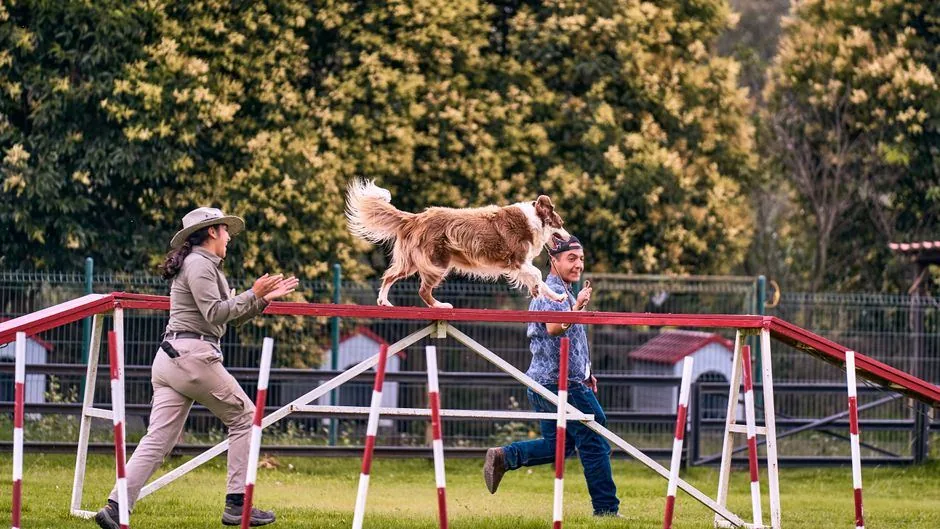
For comparison, the Jey Force about page describes a 2-acre training ground with an obstacle setup, a controlled environment and a 100-dog kennel capacity. Treat claims like these as questions to verify on your visit, whichever centre you choose.
What should you do on a trial visit or first session?
Never pay a full fee before you have seen the trainer work. A short visit tells you more than ten reviews. Go with a list of questions and keep your own dog out of the first look if you can.
- Watch a live class or session from the start to the end.
- See how the trainer talks to nervous dogs and to nervous owners.
- Ask for a first assessment and a written plan with a rough timeline.
- Notice whether the trainer asks about your dog's history, diet, health and daily routine.
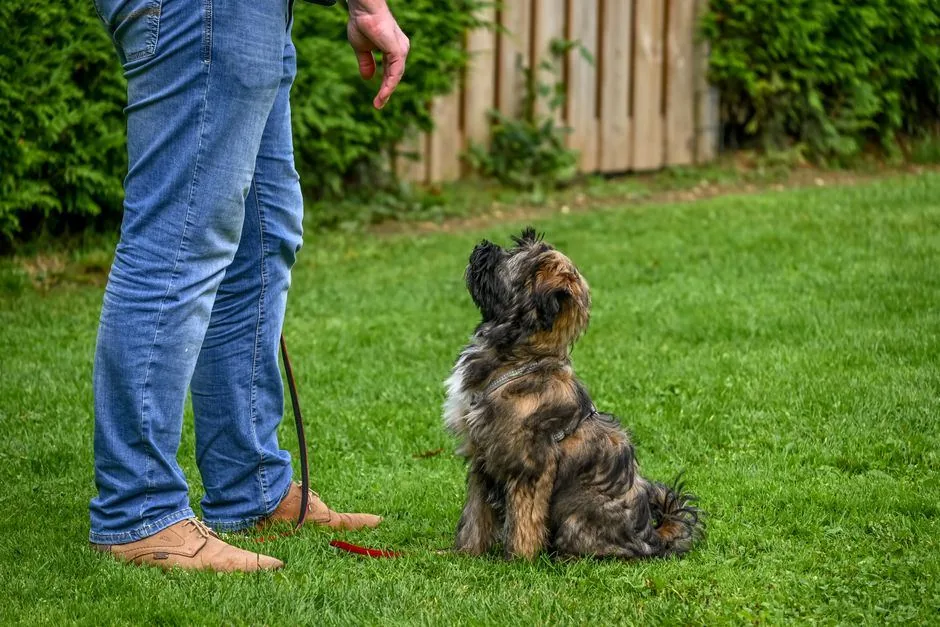
At Jey Force's dog training centre in Delhi, the first visit includes a temperament and behaviour assessment, an explanation of the suitable programme and a clear timeline, with no pressure to commit. That is the kind of structure a good first session should have anywhere.
How do you check references and reviews?
Reviews can be polished, so read them like an investigator. Specific, recent stories are worth more than a wall of five-star ratings. Then go one step further and speak to people.
- Read Google reviews for detail: which dog, which problem and what changed.
- Ask the centre for two former clients you can call.
- Ask your vet whether they have seen dogs from this centre and how they were doing.
- Be wary of centres with only glowing, generic comments and no names.
What does a transparent quote look like?
A fair centre explains what the fee covers before you pay. You should know the number of sessions, the length of the programme and what happens if your dog needs more time. Ask for this in writing.
- Get a written breakdown: sessions, programme length, boarding days and extras.
- Ask what is included in the fee, such as owner sessions, follow-ups and equipment.
- Beware of a very low fee that grows once your dog is already inside the programme.
- Request a free consultation before you commit.
Jey Force states on its Delhi page that costs depend on the number of sessions, the length of the programme and an individual dog assessment, and that a free consultation comes first. You can contact Jey Force for a quote that fits your dog.
What should aftercare and owner coaching include?
Training only lasts if you can repeat it at home. A dog that behaves perfectly at the centre and falls apart in your living room has not been fully trained. In practice, the best results come from centres that train you alongside the dog.
- Ask for hands-on sessions where you handle the dog under the trainer's guidance.
- Look for a written routine you can follow at home.
- Check that follow-up support is available if problems return.
What should you look for when searching in Chennai, Bangalore, Hyderabad or Delhi?
The checklist stays the same in every city, but local conditions change the questions. Climate, traffic and housing all affect how and when your dog trains. Use these as city-specific prompts.
- For dog training in Chennai, ask about shade, water and early-morning or evening slots during hot, humid months.
- For dog training in Bangalore, check the travel time at peak hours and ask whether home visits suit apartment living.
- For dog training in Hyderabad, ask how the centre manages summer heat on open training grounds.
- In Delhi, compare several options carefully, since a big city has many listings of very different quality.
- For dog training in India as a whole, treat any centre that claims to be "the best in the country" with caution until you have seen it yourself.
Which red flags should make you walk away?
Some warning signs are clear enough to end the search. If you spot even one, thank the trainer and leave. Your dog's welfare matters more than a booking fee.
- Harsh tools, hitting, yelling or "showing the dog who is boss".
- No assessment before the quote and no willingness to explain the plan.
- Dirty kennels, strong smells or dogs left without water.
- Refusal to let you watch training or visit the facility.
- Pressure to pay everything upfront today.
| Green flag | Red flag |
|---|---|
| Explains methods and tools openly | Vague answers about how dogs are corrected |
| Assesses your dog before quoting | Quotes over the phone with no assessment |
| Lets you watch and ask questions | Keeps the training area off limits |
| Gives a written plan and timeline | Promises instant, guaranteed results |
| Coaches you as the owner | Wants to train the dog without you |
What can you verify before booking Jey Force?
Jey Force is one example of a centre you can check against this list. Its pages describe positive reinforcement combined with clear structure and boundaries, an individual assessment of every dog and coaching for owners. Its founder is described as a retired Indian military K9 expert with 24+ years of experience.
- Read the Belgian Malinois training page if you own a high-drive working breed.
- Check the opening hours, listed as 7 AM to 9 PM on all days, before you plan a visit.
- Ask about the Day 1 assessment and the programme timeline.
- Ask for a free consultation and a written quote.
- Verify every claim in person, as you would with any other centre.
Frequently asked questions
How much should I expect to pay for training my dog?
Fees vary by programme, number of sessions, dog breed and whether boarding is included. Ask each centre for a written breakdown and compare like with like. Be cautious of very low or unusually high quotes that come without an assessment.
Is a certificate necessary for a dog trainer?
Not always. Dog training is largely unregulated, so a certificate is one signal among several. Ask about hands-on experience, request examples of similar cases and speak to former clients before you decide.
How long does it take to train a dog?
It depends on the dog's age, temperament and the goal. Basic manners can improve within weeks, while behaviour problems often take longer. A good trainer gives you an honest timeline after assessing your dog.
Is board-and-train better than classes?
Neither is better for every dog. Classes suit puppies and owners who want to learn alongside the dog. Board-and-train can suit busy owners or deeper problems, as long as you get regular updates and owner handover sessions.
Can aggressive or reactive dogs be trained at a centre?
Often yes, but the trainer must assess the cause first and use calm, structured methods rather than force. Ask how they handle aggression, and request private sessions rather than a busy group class.
What should I bring to the first visit?
Bring your dog's vaccination record, a note on health issues and a short list of the behaviours you want to change. A flat collar or harness and a lead are enough, and you can ask the trainer which tools they prefer.
When is the right time to start training a puppy?
Early socialisation and basic manners can begin as soon as your vet confirms the puppy is safe to meet other dogs. Ask the centre about its minimum age and how it keeps young puppies safe in class.