
In This Article
- What Does a "Training Method" Actually Mean?
- Which Dog Training Methods Are Used in India Today?
- Why Do Welfare Bodies Favour Reward-Based Training?
- What Goes Wrong With Aversive and Dominance-Based Methods?
- How Do the Main Approaches Compare?
- How Do You Choose the Right Method for Your Dog?
- Do Working and Protection Dogs Need a Different Method?
- What Should You Do Next?
Choosing between dog training methods is the first real decision most Indian dog owners face, and it is usually made in a hurry. A puppy chews the sofa, a young Malinois pulls on lead, a neighbour complains, and every WhatsApp group has an opinion.
The honest answer is that dog training is not one skill with one correct technique. It is a set of approaches, some backed by decades of behavioural science and some still repeated out of habit. This guide explains what each approach does, what the evidence says, and how to pick one for your dog.
What Does a "Training Method" Actually Mean?
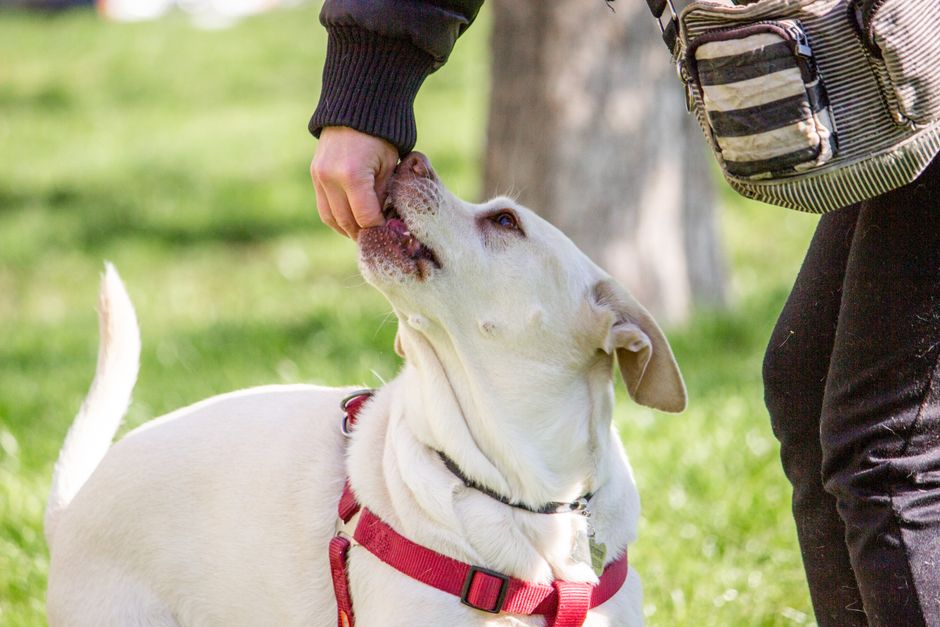
Every approach is built from the same four learning consequences described in operant conditioning. Knowing the four makes any trainer's sales pitch easy to decode.
- Positive reinforcement: something the dog likes is added after a behaviour, so the behaviour grows — food, a tug toy, praise, access to a sniff.
- Negative reinforcement: something unpleasant is removed when the dog complies, such as lead pressure that stops once the dog sits.
- Positive punishment: something unpleasant is added to stop a behaviour — a jerk, a shout, a shock or prong collar.
- Negative punishment: something the dog wants is taken away, such as attention withdrawn when a dog jumps up.
A "method" is simply which of those four a trainer leans on most. Reward-based programmes live almost entirely in the first and fourth. Aversive programmes depend on the second and third.
Which Dog Training Methods Are Used in India Today?
Walk into five training grounds in five cities and you will meet roughly five named approaches, often under local brand names. They differ less in vocabulary than in which consequence drives the learning.
- Reward-based (force-free, R+): behaviour is shaped with food, toys and play; mistakes are prevented or ignored rather than corrected.
- Clicker and marker training: a reward-based variant where a click or a word marks the exact instant the dog gets it right, then food follows.
- Relationship-based: reward-based work plus heavy emphasis on reading body language, pacing sessions and lowering arousal.
- Balanced training: rewards for correct behaviour, plus deliberate corrections — lead pops, e-collar stimulation, pressure — for mistakes.
- Dominance or alpha training: built on the idea that dogs misbehave to gain rank, so the handler must physically assert status.
Why Do Welfare Bodies Favour Reward-Based Training?
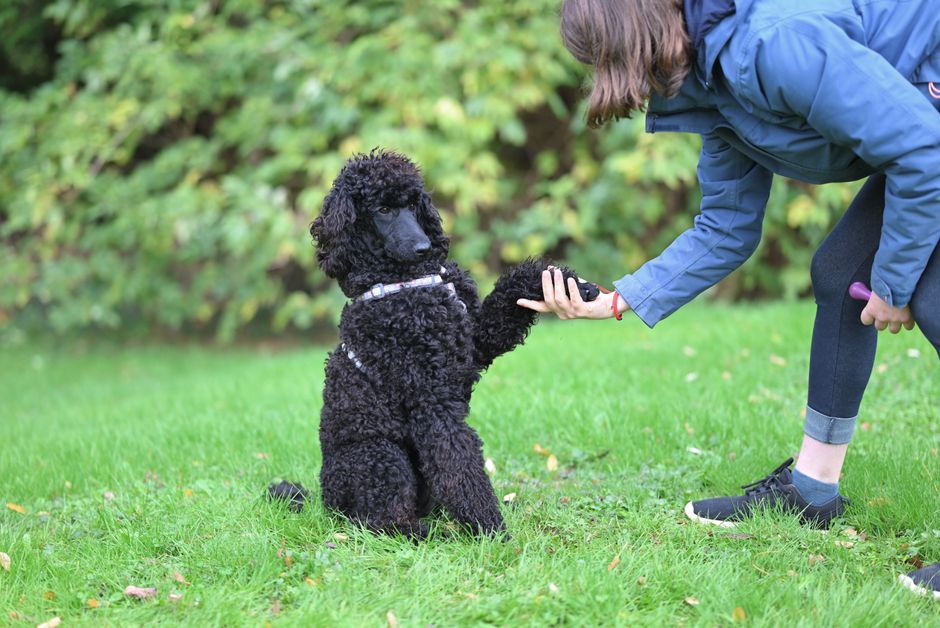
This is where opinion stops and published positions begin. The bodies that review the research have converged on one recommendation, and they are unusually direct about it.
- The American Veterinary Society of Animal Behavior states that evidence supports reward-based methods for all canine training, and that there is no evidence aversive training is necessary for training or behaviour modification.
- The RSPCA describes reward-based training as the most humane and effective way to train a dog and to address unwanted behaviour, explicitly excluding aversive techniques and physical punishment.
- Peer-reviewed comparisons summarised in a review of aversive training methods have found reward-based training performs as well as or better than electronic-collar training on obedience outcomes.
- No veterinary behaviour body currently recommends shock, prong or choke equipment as a training tool, and Jey Force does not use or advise them either.
That consensus is the reason a reputable dog trainer today leads with rewards rather than corrections, even when working with powerful breeds.
What Goes Wrong With Aversive and Dominance-Based Methods?
Aversive approaches do suppress behaviour in the short term, which is exactly why they survive. The documented costs show up later, and they are the reason this article does not recommend them.
- Fear and aggression: AVSAB links aversive training to increased anxiety, fear-related aggression, avoidance and learned helplessness.
- Weaker learning: the same statement notes aversive training has been shown to impair a dog's ability to learn new tasks.
- Physiological stress: dogs trained with aversives show more stress-related behaviour during sessions and higher cortisol.
- Damaged handler bond: aversive methods are associated with less interaction with owners and with strangers — a serious problem for a protection dog whose job depends on trusting its handler.
- A debunked premise: the dominance model rests on captive-wolf observations that modern wolf and dog research has long since overturned.
The practical risk in India is specific. A frightened 30-kilo working dog in a crowded street does not shut down quietly; it bites, and the owner carries the consequence.
How Do the Main Approaches Compare?
Use this as a quick filter before you pay for any programme. Ask a trainer which column describes their ground.
| Approach | Learning driver | Evidence position | Best use |
|---|---|---|---|
| Reward-based | Food, toys, play | Recommended by AVSAB and RSPCA | All dogs, all ages |
| Marker or clicker | Precisely timed rewards | Recommended variant of reward-based | Precision skills, detection work |
| Relationship-based | Rewards plus arousal management | Supported, reward-based at its core | Reactive or anxious dogs |
| Balanced | Rewards plus corrections | Not recommended by welfare bodies | Not advised |
| Dominance or alpha | Status confrontation | Premise overturned by research | Not advised |
How Do You Choose the Right Method for Your Dog?
Matching an approach to a dog is less about breed and more about what you are actually trying to fix. These five questions settle it for most owners.
- What is the goal? Household manners, competitive dog obedience and premises protection need different session plans but the same reward-based foundation.
- What is the dog's reinforcement history? A dog already corrected harshly may need weeks of confidence work before new learning sticks.
- Who will run the daily sessions? The best dog training tips are worthless if the person doing the repetitions cannot follow the plan.
- Is there a bite history or fear aggression? That belongs with a qualified behaviour professional, not a general obedience class.
- Can you watch a live session first? If a trainer refuses, that answers the question for you.
Owners researching how to train a dog from scratch should also budget time rather than money first: two short daily sessions beat one long weekend push, every time.
Do Working and Protection Dogs Need a Different Method?
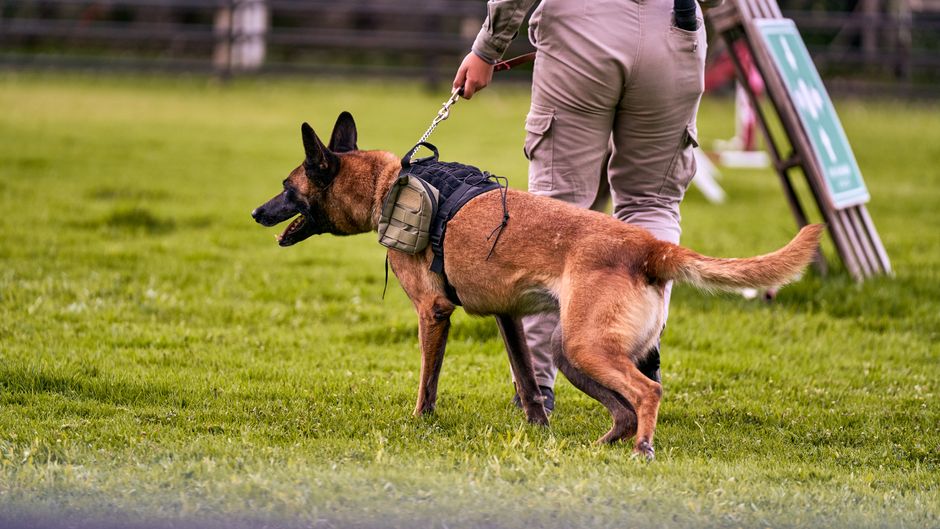
This is the most common objection we hear at our Karaikudi ground, usually phrased as "surely protection work needs a firm hand". It does not. It needs higher drive and tighter control.
- Protection work is built on channelling natural drive into a tug or sleeve reward, which is reinforcement, not punishment.
- Precision in an out, a recall or a hold comes from marker timing, because a dog cannot be corrected into accuracy.
- Control under pressure comes from thousands of calm repetitions in rising distraction, not from escalating force.
- A dog that works to earn a reward keeps working when the handler is twenty metres away; a dog that works to avoid pain stops when the threat does.
Jey Force was established in 2018 in Karaikudi, Tamil Nadu, and our founder is a retired Indian military K9 expert with more than 24 years in high-risk environments. On our two-acre ground, our team of 10-plus trainers runs obstacle, obedience and protection work in short, controlled blocks with the handler present.
The handler is the part of the system that has to keep working at home. Our Belgian Malinois training programmes and our guard dog security services are built on that same reward-driven structure, and we supply trained dogs and handlers across India.
What Should You Do Next?
Pick the approach before you pick the trainer, because the approach determines what your dog learns about people. A short, honest checklist is enough.
- Write down your single most important goal in one sentence.
- Ask every shortlisted trainer which of the four consequences they rely on, and what equipment they use.
- Watch one full session with a dog like yours before you commit.
- Agree a review point four weeks in, with the behaviour you expect to see by then.
- If your goal is structured protection or premises security, talk to our team at our dog training centre in Delhi page or contact Jey Force for a quote built around your dog and your property.
Frequently asked questions
Which dog training method is the most effective?
Reward-based training is the approach backed by published veterinary behaviour positions. The American Veterinary Society of Animal Behavior states that the evidence supports reward-based methods for all canine training and that aversive training is not necessary for training or behaviour modification. Every other named method is either a reward-based variant or a corrections-led approach that welfare bodies do not recommend.
Is dominance or alpha training still used in India?
It is still marketed, usually as firm handling or pack leadership, but its premise came from captive-wolf studies that later research overturned. It is described here so owners can recognise it, not because it is advised. Jey Force does not use dominance confrontation, and no recognised veterinary behaviour body recommends it.
Are shock collars and prong collars allowed in training?
No recognised veterinary behaviour body recommends shock, prong or choke equipment as a training tool, and Jey Force does not use or advise them. Reviews of aversive training link these tools to anxiety, fear-related aggression, higher cortisol and impaired learning. Ask any trainer directly what equipment they put on a dog before you commit.
Does protection training need a harsher method than pet training?
No. Protection work is built on drive, and drive is reinforced with a tug or sleeve reward rather than suppressed with punishment. Precision in an out, a recall or a hold comes from accurate marker timing and thousands of calm repetitions under rising distraction. A dog working to earn a reward keeps working at distance from its handler.
How do I check which method a trainer actually uses?
Ask which of the four learning consequences they rely on and what equipment they use, then watch one full session with a dog similar to yours. A trainer who will not let you observe a live session has answered the question. Agree a four-week review point and name the behaviour you expect to see by then.
How long before a new method shows results?
Simple household behaviours usually shift within two to four weeks of two short daily sessions, while fear, reactivity or bite history takes months and belongs with a qualified behaviour professional. Progress depends far more on who runs the daily repetitions than on the brand name of the programme.
Can I switch my dog from corrections to reward-based training?
Yes, and many owners do. A dog that has been corrected harshly often needs several weeks of confidence work before new learning sticks, because it has learned that offering behaviour can be risky. Start with easy wins in a quiet place, pay generously, and let the dog choose to engage.