
In This Article
- What Makes a Dog Breed Right for an Indian Home?
- Which Popular Dog Breeds Do Indian Families Choose Most?
- Why Are Indian Dog Breeds Worth a Serious Look?
- Should You Adopt an Indie Instead of Buying a Pedigree?
- How Do Heavy-Coated Breeds Cope With Indian Heat?
- Which Small Dog Breeds Suit Flats and Compact Homes?
- Can Your City or Housing Society Restrict Your Breed?
- What We See When Families Choose a Working Breed
- How Do You Shortlist Your Breed in Five Steps?
The best dog breeds in India are the ones whose size, coat and energy match your home, your climate and the hours you can actually give a dog. For most families that points to a short-coated, moderate-energy dog — an indie, a Labrador, a Beagle or a native hound — rather than a thick-coated breed developed for cold winters.
The rest of this guide compares the breeds Indian households choose most, shows where native and rescued dogs fit, and flags the heat and housing rules that decide more of this choice than looks ever should.
What Makes a Dog Breed Right for an Indian Home?
Start from your constraints, not from a breed you liked in a photo. Heat, floor space, lift access, daily walking time and who else lives in the house will shape the outcome far more than pedigree.
- Climate tolerance: can the dog cope with 35-40°C summers and high humidity without being kept indoors for months?
- Space and layout: a flat with a lift suits a different dog to an independent house with a yard.
- Daily exercise time: be honest about the 45-90 minutes a working breed needs, every day, including monsoon weeks.
- Household members: children, elderly parents or another pet change which temperament is safe.
- Grooming and cost of care: coat work, vet visits, vaccination and sterilisation are lifetime commitments, not one-off purchases.
Which Popular Dog Breeds Do Indian Families Choose Most?
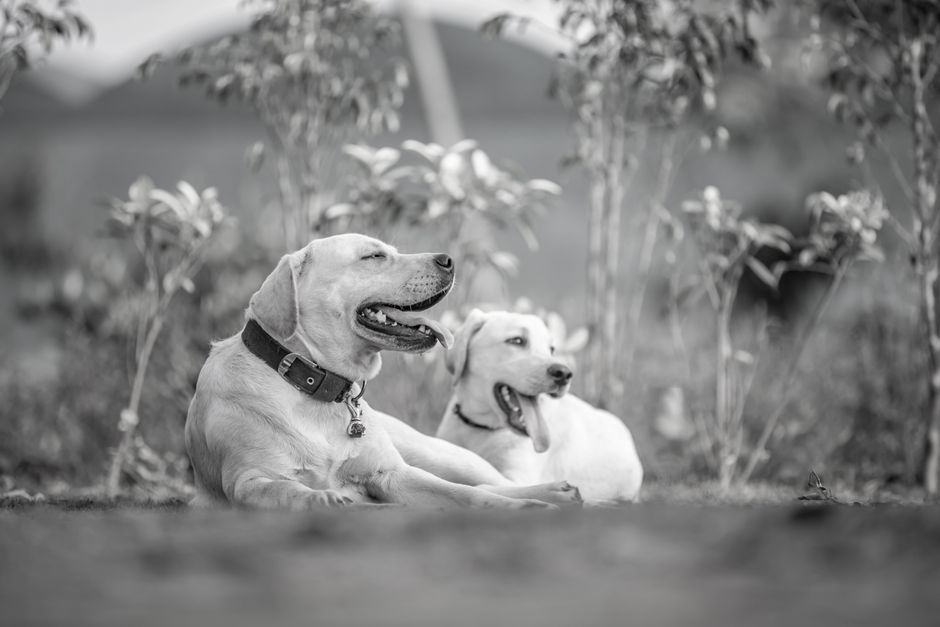
A handful of breeds dominate Indian homes, mostly for good reasons: they are adaptable, widely available from ethical sources and well documented. The American Kennel Club describes the Labrador Retriever, the most common of them, as a "friendly, outgoing, and high-spirited" companion suited to families wanting a medium-to-large dog.
- Labrador Retriever: sociable, food-motivated and easy to train, but prone to weight gain without real exercise.
- Golden Retriever: similar temperament with a heavier coat, so it needs shade, grooming and cool walking hours.
- Beagle: compact, cheerful and scent-driven; a secure boundary matters more than size here.
- German Shepherd: a genuine working breed that needs structured training and a job, not just a garden.
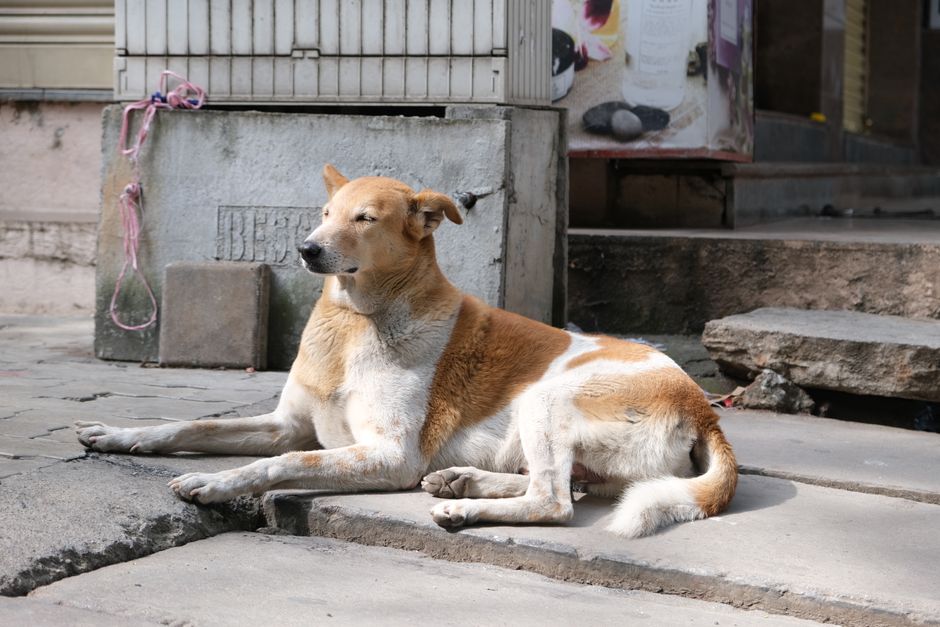
- Indian Pariah (indie): the most climate-adapted option of all, usually the healthiest, and available through rescue.
| Breed | Adult size | Coat in Indian heat | Daily exercise | Best for |
|---|---|---|---|---|
| Labrador Retriever | Large | Short, manageable | 60-90 min | Active families |
| Golden Retriever | Large | Heavy, needs care | 60 min plus shade | Cooler cities |
| Beagle | Small-medium | Short, easy | 45-60 min | Flats with time |
| German Shepherd | Large | Double, demanding | 90 min plus training | Experienced owners |
| Indian Pariah | Medium | Short, heat-adapted | 45-60 min | First-time owners |
Why Are Indian Dog Breeds Worth a Serious Look?
Indian dog breeds evolved in the same heat, dust and monsoon your dog will live in, which is an advantage no imported breed can buy. Several are formally recognised: the Government of India notified the Rajapalayam, the Chippiparai and the Mudhol Hound as recognised breeds through gazette notification S.O. 4086(E) dated 13 November 2020.
- Rajapalayam: a tall Tamil Nadu sighthound, reserved with strangers and needing space to run.
- Chippiparai: lean, fast and low-maintenance, well suited to dry southern districts.
- Mudhol Hound: a Karnataka hound with real stamina and a famously light coat.
- Indian Pariah: not a designer breed but a landrace, hardy, intelligent and comfortable in Indian weather.
Should You Adopt an Indie Instead of Buying a Pedigree?
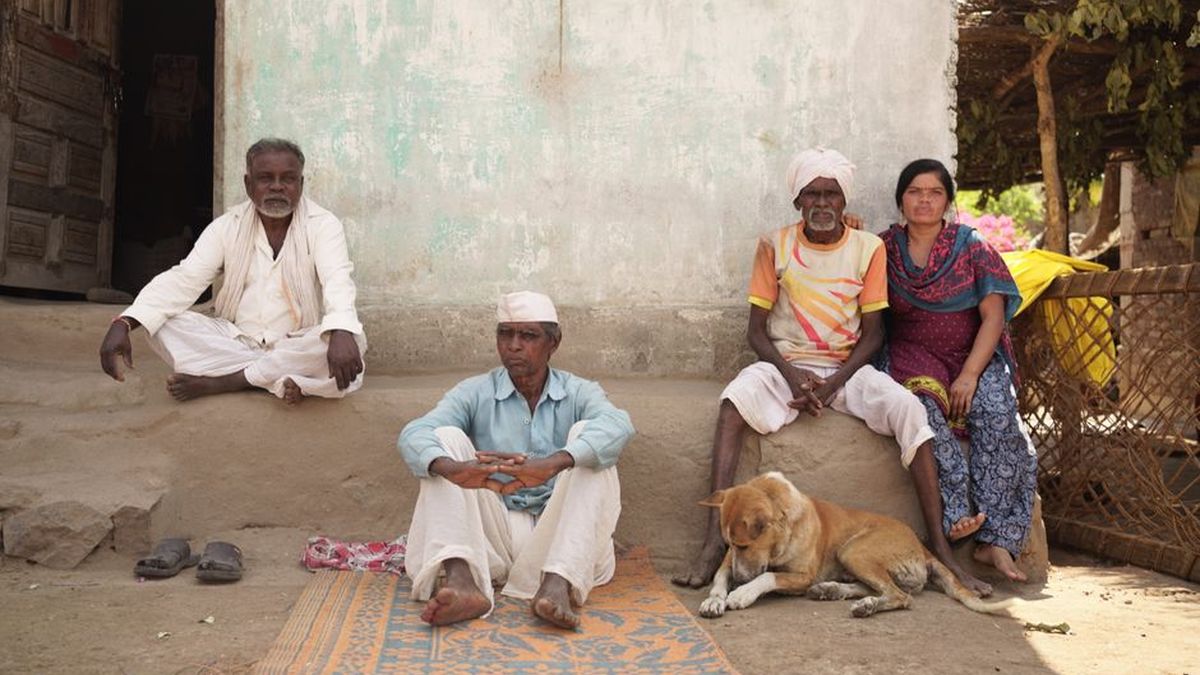
For a large share of Indian households, adopting an indie is the better answer and not a consolation prize. Rescued Indian dogs are usually heat-hardy, free of the inherited problems that follow closed pedigree lines, and already past the fragile newborn stage when you meet them.
- Welfare first: adoption takes a dog out of a shelter or the street instead of adding demand for more breeding.
- Known temperament: with an adult rescue you see the real personality rather than guessing from a puppy.
- Health advantage: mixed ancestry generally avoids the breed-specific conditions concentrated in pedigree lines.
- If you do buy: visit the premises, meet the mother, ask for vaccination and deworming records, and walk away from anyone who will not show you where the dogs live.
How Do Heavy-Coated Breeds Cope With Indian Heat?
Badly, in most of the country, and this is the single most common mistake behind Huskies and Saint Bernards ending up in Indian shelters. Cornell University's Riney Canine Health Center notes that dogs with "thick or dark colored coats" carry a higher heatstroke risk, and that flat-faced breeds "cannot pant as efficiently and have a harder time keeping themselves cool".
- Highest risk: Siberian Husky, Alaskan Malamute, Saint Bernard, Samoyed and other cold-climate coats.
- Also vulnerable: Pugs, Bulldogs and Shih Tzus, whose short muzzles limit panting.
- Watch for early signs: heavy panting, drooling, seeking shade, whining and refusing to play.
- Emergency signs: difficulty breathing, vomiting, weakness, confusion, seizures or collapse — go to a vet immediately.
- Practical fix: walk before sunrise and after sunset, never clip a double coat to the skin, and keep shade and water available all day.
Which Small Dog Breeds Suit Flats and Compact Homes?
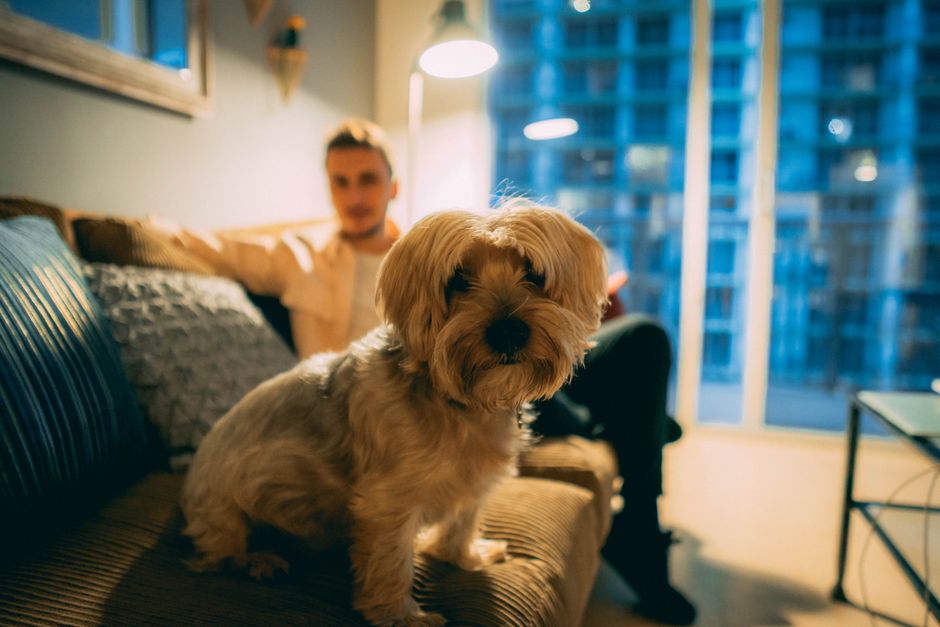
Small dog breeds are popular in Indian apartments, though small does not automatically mean low-effort or quiet. Energy, barking and heat tolerance vary widely across this group, so judge each dog on temperament rather than on weight.
| Small breed | Heat tolerance | Noise level | Suits a flat |
|---|---|---|---|
| Indian Spitz | Good | Moderate to high | Yes |
| Beagle | Good | High when bored | With daily walks |
| Dachshund | Moderate | Moderate | Yes, avoid stairs |
| Pug | Poor | Low | Only with cooling |
| Small indie | Very good | Low to moderate | Yes |
- Mind the muzzle: flat-faced small breeds struggle most in Indian summers, whatever the brochure says.
- Noise is a neighbour issue: barking is the complaint that most often reaches a managing committee.
Can Your City or Housing Society Restrict Your Breed?
Rules genuinely differ from city to city and from society to society, so check your municipal bylaws and your association's rules before you choose a dog.
Mumbai is the clearest example: the Brihanmumbai Municipal Corporation's guidelines on pet dogs, approved by the Municipal Commissioner on 20 March 2025, state that associations "cannot legally introduce any sort of Ban on keeping of Pet dogs/cats", cannot decide that "'Small Sized' dogs are acceptable and 'Large sized' dog are not", and "cannot debar anyone from using lifts or elevators for a pet dog".
- Licensing is separate: Mumbai requires registration and a licence under Section 191B of the MMC Act 1888, and the circular says keeping dogs without a licence is illegal.
- Your city may differ: registration rules, licence fees and any breed-specific orders vary, so read your own corporation's current circular.
- Society bylaws: ask for the pet clause in writing before you commit, and keep vaccination records ready.
- Owner duties travel with you: deworming, immunisation, sterilisation, leashing in public and cleaning up are standard conditions everywhere.
What We See When Families Choose a Working Breed
In our work at the Jey Force training centre in Karaikudi, Tamil Nadu, we have seen the same pattern every month: the dogs that arrive with problems are rarely badly bred. They are well-bred working dogs placed in homes with no plan for their drive. Jey Force works with protection and working dogs and supplies trained dogs across India. Our Belgian Malinois training programme exists largely because a high-drive dog without structure becomes a problem dog, and a structured one does not.
- Drive needs direction: Malinois, German Shepherds and Dobermans need daily work, not just space.
- Protection is a trained role: families looking for a deterrent are better served by our guard dog security services than by an untrained large dog.
- Breeding questions belong early: see how a working line is raised at our Belgian Malinois breeding centre before you commit to the breed.
- Plan for absences: confirm boarding arrangements before travel, not during it.
How Do You Shortlist Your Breed in Five Steps?
Work through this in order and the dog breeds in India worth considering usually narrow to two or three realistic options. Treat any step you cannot honestly clear as a reason to wait rather than to compromise.
- Write your limits down: summer temperature, floor area, lift access, daily walking time and budget for vet care.
- Check the rules: your municipal corporation's current pet circular and your society or landlord's written pet clause.
- Visit shelters first: meet adult indies and rescues before you look at a breeder, and take the trainer's view seriously.
- Verify the source: if you buy, inspect the premises, meet the mother and collect health records.
- Book training before the dog arrives: a plan from week one prevents most of the behaviour problems that end in rehoming.
Frequently asked questions
Which dog breed is best for an Indian home?
There is no single best breed. For most Indian households a short coated, moderate energy dog suits the climate and the time available, which usually means an Indian pariah (indie), a Labrador, a Beagle or a native hound. Match the dog to your summer temperatures, floor space, lift access and daily walking time first.
Are Indian dog breeds better suited to Indian weather?
Generally yes. Native breeds such as the Rajapalayam, Chippiparai, Mudhol Hound and the Indian pariah evolved in the same heat, dust and monsoon your dog will live in, and carry short, light coats. The Government of India notified the Rajapalayam, Chippiparai and Mudhol Hound as recognised breeds through gazette notification S.O. 4086(E) dated 13 November 2020.
Can a Siberian Husky live in India?
It is a poor fit in most of the country. Cornell University's Riney Canine Health Center notes that dogs with thick or dark coloured coats carry a higher heatstroke risk. If you already have one, walk only before sunrise and after sunset, never clip a double coat to the skin, and keep shade and water available all day.
Should I adopt an indie dog instead of buying a pedigree puppy?
For most families, yes. Adopting takes a dog out of a shelter or off the street instead of adding demand for more breeding, and rescued Indian dogs are usually heat hardy and free of the inherited problems concentrated in closed pedigree lines. With an adult rescue you also see the real temperament rather than guessing from a puppy.
Can my housing society ban my dog or restrict its breed?
Rules vary by city and by society, so check your municipal corporation's current circular and your association's written pet clause. In Mumbai, the Brihanmumbai Municipal Corporation's guidelines approved on 20 March 2025 state that associations cannot legally introduce any ban on keeping pet dogs or cats, cannot decide that small dogs are acceptable while large dogs are not, and cannot bar a pet dog from lifts.
Which small dog breeds work well in Indian flats?
The Indian Spitz, a small indie, the Beagle and the Dachshund usually settle well in flats when daily walks are real rather than theoretical. Flat faced breeds such as the Pug struggle most in Indian summers because a short muzzle limits panting, so judge noise and heat tolerance as carefully as size.